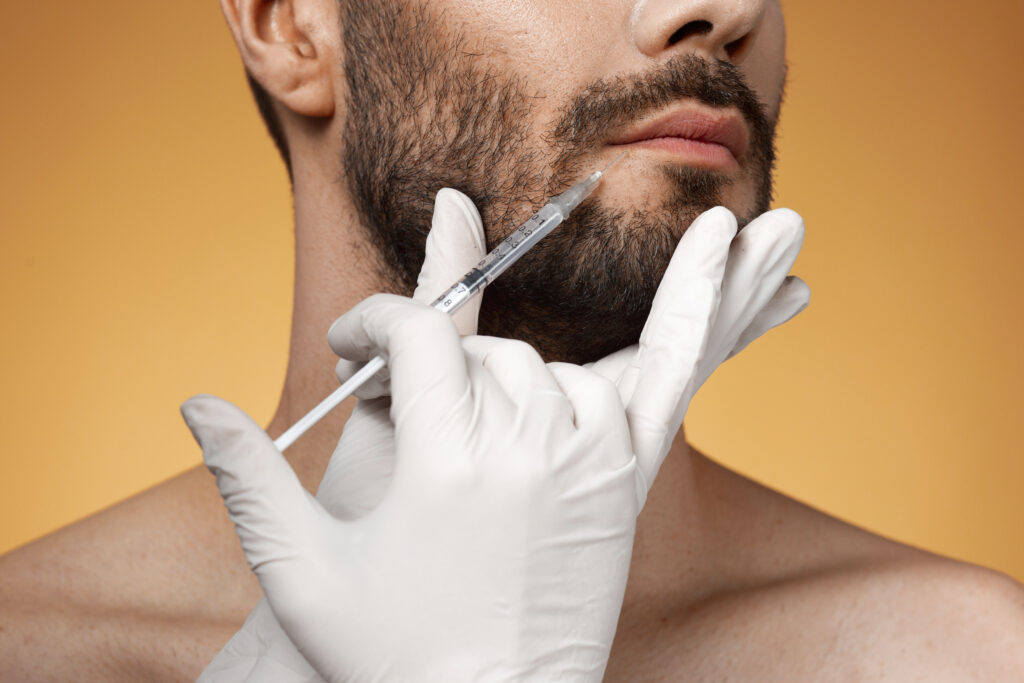
Growing a healthy, full beard is a goal for many men, but beard-related problems can make this journey frustrating. From patchy growth to beard dandruff and ingrown hairs, these issues affect men across Hyderabad, particularly in areas like Kondapur, Gachibowli, and Hitech City.
At ZAHA Skin, Hair & Aesthetic Clinic in Kondapur, Dr. P. Lakshmi Pranusha (MBBS, MD, DVL) specializes in treating beard problems with advanced dermatological solutions. With 12+ years of experience, she helps men achieve healthier, fuller beards through medical-grade treatments and personalized care.
In this comprehensive guide, discover the most common beard problems, their causes, and proven treatments recommended by dermatologists.
Table of Contents
- Understanding Beard Growth
- 10 Most Common Beard Problems
- Patchy Beard & Uneven Growth
- Beard Dandruff (Beardruff)
- Ingrown Beard Hairs
- Beard Itchiness & Irritation
- Slow Beard Growth
- Beard Acne & Folliculitis
- Dry & Brittle Beard Hair
- Professional Beard Treatments
- Home Care Tips for Healthy Beard
- When to See a Dermatologist
- FAQ: Your Beard Questions Answered
Understanding Beard Growth: The Science Behind Facial Hair
Before diving into problems and solutions, it’s important to understand how beard growth works.
The Beard Growth Cycle
Beard hair, like scalp hair, follows a three-phase growth cycle:
- Anagen Phase (Growth Phase): Lasts 2-6 years, determining beard length potential
- Catagen Phase (Transition Phase): Lasts 2-3 weeks, hair stops growing
- Telogen Phase (Resting Phase): Lasts 2-4 months, old hair sheds, new growth begins
Factors Affecting Beard Growth
Genetic Factors:
- Family history of beard thickness and pattern
- Ethnicity (affects hair texture and density)
- Hormonal blueprint inherited from parents
Hormonal Factors:
- Testosterone levels: Primary male hormone driving facial hair growth
- Dihydrotestosterone (DHT): Converted from testosterone, directly stimulates beard follicles
- Thyroid hormones: Regulate overall hair growth metabolism
Lifestyle Factors:
- Nutrition and diet quality
- Sleep patterns and stress levels
- Exercise and blood circulation
- Smoking and alcohol consumption
Age Factor:
- Most men see full beard development between ages 18-30
- Beard continues to thicken until mid-30s
- Growth rate varies significantly with age
According to the American Academy of Dermatology, facial hair growth patterns are primarily determined by genetics and hormones, which is why treatment approaches must be personalized.
10 Most Common Beard Problems Men Face
Quick Overview Table
| Problem | Prevalence | Severity | Treatment Difficulty |
|---|---|---|---|
| Patchy Beard Growth | 60% of men | Moderate | Moderate |
| Beard Dandruff | 45% of men | Mild-Moderate | Easy |
| Ingrown Hairs | 40% of men | Mild | Easy-Moderate |
| Itchiness/Irritation | 55% of men | Mild | Easy |
| Slow Growth | 35% of men | Moderate | Moderate-Difficult |
| Beard Acne | 30% of men | Moderate | Moderate |
| Dry/Brittle Hair | 50% of men | Mild | Easy |
| Split Ends | 25% of men | Mild | Easy |
| Uneven Color | 20% of men | Mild | Moderate |
| Premature Graying | 15% of men | Mild | Difficult |
Dr. Pranusha’s Insight: “In my practice at ZAHA Clinic Kondapur, I see men from IT companies in Gachibowli and Hitech City struggling with beard problems often linked to stress, irregular sleep, and poor nutrition. The good news? Most issues are treatable with the right approach.”
Problem #1: Patchy Beard & Uneven Growth
What It Looks Like
- Bald spots or thin areas in the beard
- Asymmetrical growth on different sides of the face
- Gaps that don’t fill in over time
- Uneven density throughout the beard
Common Causes
1. Genetics: The most common reason for patchy beards is simply genetics. If male relatives have patchy beards, you’re more likely to experience it.
2. Hormonal Imbalances:
- Low testosterone or DHT levels
- Thyroid disorders affecting hair growth
- Hormonal fluctuations during puberty or stress
3. Alopecia Areata: An autoimmune condition where the immune system attacks hair follicles, creating circular bald patches. Learn more about alopecia areata from the National Alopecia Areata Foundation.
4. Age: Men under 25 may still be developing their full beard potential. Beard density typically peaks in the late 20s to early 30s.
5. Nutritional Deficiencies: Lack of essential vitamins and minerals can impact facial hair growth:
- Biotin (Vitamin B7)
- Vitamin D
- Iron
- Zinc
- Protein
6. Lifestyle Factors:
- Chronic stress increases cortisol, inhibiting hair growth
- Poor sleep disrupts growth hormone production
- Smoking reduces blood circulation to follicles
Medical Treatments for Patchy Beard
1. Minoxidil (Topical Solution)
How It Works:
Minoxidil stimulates blood flow to hair follicles and extends the anagen (growth) phase of hair cycles.
Treatment Protocol:
- Apply 5% minoxidil solution twice daily to affected areas
- Results visible in 3-6 months
- Must continue for sustained results
- FDA-approved for hair growth
Success Rate: 60-80% see improvement
Dr. Pranusha’s Note: “Minoxidil is one of the most evidence-based treatments for patchy beards. At ZAHA Clinic, we customize the concentration and application protocol based on individual skin sensitivity.”
Learn More: Research on minoxidil for facial hair published in the National Library of Medicine.
2. PRP (Platelet-Rich Plasma) Therapy
How It Works:
PRP involves extracting your own blood, concentrating the platelets, and injecting them into beard areas. Platelets contain growth factors that stimulate dormant follicles.
Treatment Protocol:
- 3-4 sessions spaced 4-6 weeks apart
- Each session takes 45-60 minutes
- Minimal downtime (slight redness for 24 hours)
- Results visible in 3-4 months
Benefits:
- Natural treatment using your own blood
- Stimulates new follicle growth
- Improves beard density and thickness
- Safe with minimal side effects
Success Rate: 70-85% improvement in beard density
Cost: ₹4,000-₹8,000 per session in Hyderabad
Related Reading: Learn more about PRP hair treatment at ZAHA Clinic for detailed information on the procedure.
3. GFC (Growth Factor Concentrate) Therapy
How It Works:
GFC is an advanced version of PRP with higher concentration of growth factors. It’s processed to remove red and white blood cells, leaving pure growth factor concentrate.
Advantages Over PRP:
- 3-4x higher growth factor concentration
- More targeted hair follicle stimulation
- Faster results (visible in 2-3 months)
- Longer-lasting effects
Treatment Protocol:
- 3-4 sessions spaced 3-4 weeks apart
- Each session takes 30-45 minutes
- More comfortable than PRP (smaller needles)
Success Rate: 80-90% show improvement
Related Reading: GFC vs PRP: Which is Better for Hair Growth?
4. Microneedling with Growth Serums
How It Works:
Microneedling creates tiny channels in the skin, allowing better absorption of growth serums and stimulating collagen production.
Treatment Protocol:
- Monthly sessions for 4-6 months
- Combined with minoxidil or peptide serums
- Minimal discomfort with numbing cream
- No downtime
Success Rate: 65-75% improvement when combined with topical treatments
5. Beard Transplant (FUE Method)
How It Works:
Hair follicles are extracted from the scalp (donor area) and transplanted to beard areas. Uses the same FUE (Follicular Unit Extraction) technique as hair transplants.
Ideal Candidates:
- Men with permanent bald patches due to scarring or alopecia
- Those who haven’t responded to other treatments
- Sufficient scalp donor hair available
Procedure:
- 4-8 hours depending on grafts needed
- Local anesthesia
- 1-2 weeks recovery time
- Permanent results
Cost: ₹40,000-₹1,50,000 depending on grafts (typically 500-2000 grafts)
Success Rate: 90-95% graft survival rate
External Resource: Learn about beard transplant techniques from the International Society of Hair Restoration Surgery.
Home Remedies for Patchy Beard
While medical treatments provide faster results, these home remedies can support beard growth:
1. Biotin Supplements:
- 5,000-10,000 mcg daily
- Supports keratin production
- Visible results in 3-6 months
2. Castor Oil Application:
- Rich in ricinoleic acid
- Apply to patchy areas nightly
- Massage for 5-10 minutes for better absorption
3. Onion Juice:
- High sulfur content promotes hair growth
- Apply juice to patches, leave 20 minutes
- Use 2-3 times weekly
4. Balanced Diet:
- Increase protein intake (eggs, fish, chicken, lentils)
- Include nuts rich in biotin (almonds, walnuts)
- Eat iron-rich foods (spinach, red meat, beetroot)
Related: Read our guide on best foods for healthy skin and hair during summer for comprehensive nutrition tips.
Problem #2: Beard Dandruff (Beardruff)
What It Looks Like
- White or yellowish flakes in beard hair
- Flakes falling onto clothing
- Dry, flaky skin underneath beard
- Sometimes accompanied by itchiness or redness
Common Causes
1. Seborrheic Dermatitis: A chronic skin condition causing flaky, oily patches. The Mayo Clinic explains seborrheic dermatitis as a common condition affecting oily areas of the body, including the face.
2. Dry Skin: Hyderabad’s climate, particularly during winter months, can cause severe skin dryness. Air conditioning in offices (common in Gachibowli IT sector) further dehydrates skin.
3. Fungal Overgrowth (Malassezia): A yeast that naturally lives on skin but can overgrow, causing inflammation and flaking.
4. Poor Hygiene:
- Infrequent beard washing
- Not rinsing out shampoo properly
- Using harsh soaps instead of beard-specific cleansers
5. Over-Washing: Washing beard too frequently strips natural oils, causing dryness and flaking.
6. Product Buildup: Using heavy beard oils or balms without proper cleansing causes product accumulation.
Treatment Solutions
Medical Treatments:
1. Anti-Fungal Shampoos:
- Ketoconazole 2% shampoo: Most effective for fungal beardruff
- Use 2-3 times weekly, leave on 5 minutes before rinsing
- Available prescription and over-the-counter
2. Selenium Sulfide Shampoo:
- Reduces fungal growth and sebum production
- Use weekly for maintenance
3. Coal Tar Shampoo:
- For severe seborrheic dermatitis
- Slows skin cell turnover
- Use as directed by dermatologist
4. Topical Corticosteroids:
- For inflammatory beardruff with redness
- Short-term use only (as prescribed)
- Reduces itching and inflammation
Dr. Pranusha’s Protocol at ZAHA Clinic: “For patients from Kondapur and Miyapur with chronic beardruff, I typically start with ketoconazole shampoo 3x weekly combined with a gentle moisturizing routine. Most see 80% improvement within 3-4 weeks.”
Home Care Solutions:
1. Proper Cleansing Routine:
- Wash beard 3-4 times weekly (not daily)
- Use sulfate-free, pH-balanced beard wash
- Massage scalp gently while washing
- Rinse thoroughly with lukewarm water
2. Beard Oil Application:
- Apply 3-5 drops of beard oil after showering
- Best ingredients: jojoba oil, argan oil, tea tree oil
- Massage into skin beneath beard
- Use daily for moisture retention
Recommended Beard Oils:
- Jojoba oil (mimics natural sebum)
- Argan oil (rich in vitamin E)
- Tea tree oil (antifungal properties – use diluted)
- Coconut oil (antimicrobial, moisturizing)
3. Exfoliation:
- Use soft brush or exfoliating glove weekly
- Removes dead skin cells preventing buildup
- Improves circulation to hair follicles
4. Avoid Triggers:
- Limit hot water on face/beard
- Avoid harsh soaps
- Reduce stress (triggers seborrheic dermatitis flares)
- Get adequate sleep
Related: Check out our summer skin care tips which include beard care during hot weather.
Problem #3: Ingrown Beard Hairs (Pseudofolliculitis Barbae)
What It Looks Like
- Small, painful red bumps in beard area
- Pus-filled bumps or pustules
- Dark spots or hyperpigmentation after healing
- Visible hair trapped under skin surface
- Most common on neck and jawline
Common Causes
1. Improper Shaving Technique:
- Shaving too close to skin
- Using dull razors
- Shaving against grain
- Not preparing skin before shaving
2. Curly or Coarse Hair: Men with naturally curly facial hair are more prone. When curly hair is cut, it tends to curl back and penetrate the skin.
3. Tight Clothing: High-collared shirts or tight clothing rubbing against neck can push hairs back into skin.
4. Dry Skin: Dead skin cells block hair follicles, forcing hairs to grow sideways.
Treatment Solutions
Medical Treatments:
1. Topical Retinoids:
- Tretinoin 0.025-0.05% cream: Unclogs pores, promotes cell turnover
- Apply nightly to affected areas
- Prescription required
- Results in 6-8 weeks
2. Chemical Exfoliants:
- Glycolic acid 10-15%: Removes dead skin cells
- Salicylic acid 2%: Penetrates pores, prevents clogging
- Use 2-3 times weekly
3. Topical Antibiotics:
- For infected ingrown hairs
- Clindamycin gel 1% or Erythromycin 2%
- Reduces inflammation and bacterial growth
4. Professional Extraction: At ZAHA Clinic, Dr. Pranusha safely extracts deeply embedded ingrown hairs using sterile techniques, preventing scarring and infection.
5. Laser Hair Reduction: Permanent solution for chronic ingrown hairs. Laser targets hair follicles, reducing hair growth and preventing ingrown hairs.
Benefits:
- 70-90% permanent hair reduction after 6-8 sessions
- Significantly reduces ingrown hair occurrence
- Smoother skin texture
- Less irritation from shaving
Learn More: Laser hair removal for men at ZAHA Clinic Kondapur.
Prevention Strategies:
1. Proper Shaving Technique:
- Always shave after showering (softens hair)
- Use sharp, clean razors (replace every 5-7 shaves)
- Apply generous shaving cream/gel
- Shave in direction of hair growth
- Don’t pull skin taut while shaving
- Rinse with cool water after shaving
2. Consider Growing a Beard: The simplest solution – let hair grow out completely. Avoids the cutting that causes ingrown hairs.
3. Use Electric Trimmers: Leave slight stubble instead of shaving completely close to skin.
4. Pre-Shave Preparation:
- Wash face with warm water and gentle cleanser
- Apply pre-shave oil for extra glide
- Wait 2-3 minutes for hair to soften
5. Post-Shave Care:
- Apply alcohol-free aftershave or soothing balm
- Avoid touching or scratching area
- Apply cold compress if irritated
External Resource: The Cleveland Clinic provides detailed guidance on managing ingrown hairs.
Problem #4: Beard Itchiness & Irritation
What It Looks Like
- Constant urge to scratch beard
- Red, irritated skin underneath
- Dry, flaky patches
- Uncomfortable burning sensation
- Most intense during first 2-4 weeks of growth
Common Causes
1. New Beard Growth: Sharp, freshly cut hair ends poke skin as they grow, causing irritation. This is temporary and usually resolves after 3-4 weeks.
2. Dry Skin: Lack of moisture causes skin to become itchy and irritated, especially in Hyderabad’s summer heat or air-conditioned office environments.
3. Product Irritation: Harsh soaps, shampoos, or beard products with irritating ingredients (alcohol, sulfates, fragrances).
4. Ingrown Hairs: Trapped hairs cause localized inflammation and itching.
5. Allergic Reactions: Sensitivity to beard care products, laundry detergent on pillowcases, or environmental allergens.
6. Skin Conditions:
- Seborrheic dermatitis (beardruff)
- Eczema
- Psoriasis
- Contact dermatitis
Treatment Solutions
Immediate Relief:
1. Beard Oil Application:
- Apply 3-5 drops twice daily
- Choose oils with anti-inflammatory properties
- Best options: jojoba, argan, hemp seed oil
- Massage thoroughly into skin beneath beard
2. Cold Compress:
- Apply for 10-15 minutes
- Reduces inflammation immediately
- Calms nerve endings causing itch
3. Hydrocortisone Cream 1%:
- Over-the-counter anti-itch cream
- Apply thin layer to itchy areas
- Use maximum 7 days without dermatologist consultation
- Don’t use on broken skin
4. Aloe Vera Gel:
- Natural anti-inflammatory and cooling
- Apply pure aloe vera gel to irritated areas
- Safe for frequent use
- No side effects
Long-Term Solutions:
1. Establish Proper Beard Care Routine:
Morning:
- Rinse beard with lukewarm water
- Apply 3-5 drops beard oil
- Comb through with boar bristle brush
Evening:
- Cleanse with gentle beard wash (3-4x weekly)
- Pat dry (don’t rub)
- Apply beard oil or balm
- Brush to distribute oils
2. Choose Right Products:
- Avoid: Products with alcohol, sulfates, parabens, artificial fragrances
- Look for: Natural oils, gentle cleansers, hypoallergenic formulations
- Test: Patch test new products before full application
3. Stay Hydrated:
- Drink 3-4 liters water daily
- Hydration from within prevents dry, itchy skin
- Especially important in Hyderabad’s hot climate
4. Use Humidifier:
- Particularly helpful during winter or in AC environments
- Maintains skin moisture
- Reduces overnight dryness
5. Exfoliate Regularly:
- Use soft beard brush or exfoliating scrub weekly
- Removes dead skin cells causing itchiness
- Prevents ingrown hairs
When Itching Persists:
If itchiness continues beyond 4-6 weeks despite proper care, consult a dermatologist. It may indicate:
- Seborrheic dermatitis requiring medicated treatment
- Fungal infection needing antifungal medication
- Eczema or psoriasis requiring specialized care
Book a consultation at ZAHA Clinic Kondapur: Call +91 81436 10088
Problem #5: Slow Beard Growth
What It Looks Like
- Minimal growth over several months
- Thinner beard than desired
- Sparse coverage even after extended growing period
- Beard stays at same length despite time
Common Causes
1. Genetics: Growth rate is primarily determined by genetics. Some men naturally have slower-growing facial hair.
2. Hormonal Factors:
Low Testosterone:
- Normal range: 300-1000 ng/dL
- Below 300 ng/dL may affect beard growth
- Other symptoms: low energy, decreased muscle mass, low libido
Low DHT (Dihydrotestosterone):
- DHT is converted from testosterone
- Directly stimulates facial hair follicles
- Low levels = slower, sparser beard growth
Thyroid Disorders:
- Hypothyroidism slows all body processes including hair growth
- Hyperthyroidism can cause hair thinning
3. Nutritional Deficiencies:
Critical nutrients for beard growth:
- Protein: Building block of hair (keratin is a protein)
- Biotin (Vitamin B7): Supports keratin production
- Vitamin D: Stimulates hair follicles
- Iron: Carries oxygen to follicles
- Zinc: Essential for hair tissue growth and repair
- Vitamin E: Improves blood circulation
- Omega-3 Fatty Acids: Nourishes follicles
4. Poor Circulation:
- Inadequate blood flow to face reduces nutrient delivery to follicles
- Common in smokers and sedentary individuals
- Worsened by chronic stress
5. Age:
- Most men see peak beard growth 25-35 years
- Younger men (18-23) may still be developing full potential
- Patience is key for younger men
6. Chronic Stress:
- Elevated cortisol disrupts hair growth cycles
- Stress diverts resources from “non-essential” functions like hair growth
- Common in high-pressure jobs (IT sector in Gachibowli/Hitech City)
Treatment Solutions
Medical Treatments:
1. Hormone Testing & Therapy:
If suspecting hormonal issues, get tested:
- Total testosterone
- Free testosterone
- DHT levels
- Thyroid panel (TSH, T3, T4)
Treatment Options:
- Testosterone Replacement Therapy (TRT): For clinically low testosterone
- Thyroid medication: If thyroid disorders detected
- Always under medical supervision
Note: Hormone therapy is serious medical treatment requiring proper diagnosis and monitoring by an endocrinologist or experienced dermatologist.
2. Minoxidil Application:
- Proven to accelerate beard growth
- 5% solution applied twice daily
- Shows results in 3-6 months
- Must continue for sustained results
Success Rate: 60-70% of users see increased growth rate
3. PRP (Platelet-Rich Plasma) Therapy:
- Stimulates dormant follicles
- Improves follicle health and growth rate
- 3-4 sessions for optimal results
- Natural, safe treatment
Related: Learn more about PRP therapy at ZAHA Clinic
4. GFC (Growth Factor Concentrate):
- Higher concentration than PRP
- Faster results
- Longer-lasting effects
- Recommended for slow-growth cases
5. Microneedling:
- Creates micro-injuries stimulating growth factors
- Improves absorption of topical treatments
- Combined with minoxidil for enhanced results
- Monthly sessions recommended
Lifestyle Modifications:
1. Optimize Nutrition:
Daily Protein Target: 1.2-1.6g per kg body weight
- Eggs (biotin-rich)
- Chicken breast
- Fish (omega-3 rich)
- Lentils and beans
- Greek yogurt
Beard-Boosting Foods:
- Almonds (biotin, vitamin E)
- Spinach (iron, folate)
- Sweet potatoes (beta-carotene)
- Avocados (healthy fats)
- Oysters (zinc-rich)
2. Supplement Regimen:
Essential Supplements:
- Biotin: 5,000-10,000 mcg daily
- Vitamin D3: 2,000-4,000 IU daily (especially if limited sun exposure)
- Zinc: 15-30 mg daily
- Fish Oil: 1,000-2,000 mg omega-3 daily
- Multivitamin: Quality multi to cover all bases
Note: Consult healthcare provider before starting supplements, especially if you have medical conditions.
3. Improve Circulation:
Facial Massage:
- 5-10 minutes daily
- Circular motions on cheeks, jaw, neck
- Boosts blood flow to follicles
- Use beard oil for smooth massage
Cardiovascular Exercise:
- 30 minutes, 5 days weekly
- Running, cycling, swimming
- Improves overall circulation
- Supports testosterone production
4. Sleep Optimization:
- 7-9 hours nightly
- Growth hormone peaks during deep sleep
- Crucial for hair growth
- Maintain consistent sleep schedule
5. Stress Management:
- Meditation or yoga daily
- Regular exercise
- Hobbies and relaxation time
- Professional counseling if needed
Related: Our blog on lifestyle factors affecting hair health provides more detailed guidance.
6. Quit Smoking:
- Smoking reduces blood flow to follicles by up to 30%
- Toxins damage hair follicles
- Quitting shows improvement in 2-3 months
External Resource: Harvard Health on lifestyle factors affecting hair growth
Problem #6: Beard Acne & Folliculitis
What It Looks Like
- Red, inflamed bumps in bearded area
- Pus-filled pimples (pustules)
- Painful, tender spots
- Clusters of small bumps
- Sometimes with hair growing from center
The Difference:
Acne: Oil and dead skin cells clog pores, bacteria multiply, causing inflammation.
Folliculitis: Hair follicles become infected (bacterial or fungal), causing inflammation around the hair shaft.
Common Causes
1. Poor Hygiene:
- Infrequent beard washing
- Not cleansing after sweating
- Touching beard with dirty hands
- Sleeping on dirty pillowcases
2. Product Buildup:
- Heavy beard oils, balms, or waxes
- Not washing out products thoroughly
- Using comedogenic (pore-clogging) products
3. Bacterial/Fungal Overgrowth:
- Staphylococcus aureus (most common bacteria)
- Malassezia (fungus) overgrowth
- Thrives in warm, moist environment
4. Ingrown Hairs:
- Trapped hairs create infection site
- Common after shaving or trimming
5. Diet:
- High glycemic foods increase acne
- Dairy products linked to acne in some people
- Excessive sugar consumption
6. Humid Climate: Hyderabad’s humidity (especially during monsoon) creates ideal environment for bacterial growth in beard area.
Treatment Solutions
Medical Treatments:
1. Topical Antibiotics:
- Clindamycin 1% gel/lotion: Twice daily application
- Erythromycin 2% solution: Alternative option
- Reduces bacterial load
- Decreases inflammation
2. Benzoyl Peroxide:
- 2.5-5% concentration
- Antibacterial properties
- Apply once daily (can be drying)
- Start with lower concentration
3. Salicylic Acid:
- 2% formulation
- Exfoliates, unclogs pores
- Apply 1-2 times daily
- Good for mild beard acne
4. Oral Antibiotics: For moderate-severe cases:
- Doxycycline 100mg: Once or twice daily
- Minocycline 100mg: Once daily
- Typical course: 6-12 weeks
- Prescription required
5. Antifungal Treatment: If fungal folliculitis suspected:
- Ketoconazole 2% cream: Twice daily
- Oral antifungals: For severe cases
- Typically clears in 2-4 weeks
6. Chemical Peels: At ZAHA Clinic:
- Salicylic acid peels for beard area
- Reduces acne, unclogs pores
- Monthly treatments for 3-6 months
- Significantly improves texture
Related: Learn about acne treatment options at ZAHA Clinic
Home Care Solutions:
1. Proper Cleansing Routine:
Daily:
- Wash beard with gentle, non-comedogenic cleanser
- Use lukewarm water (not hot)
- Pat dry with clean towel
- Avoid harsh scrubbing
2. Exfoliation:
- 2-3 times weekly
- Use salicylic acid wash or gentle scrub
- Removes dead skin cells
- Prevents pore clogging
3. Lightweight Products:
- Switch to non-comedogenic beard oil
- Avoid heavy balms and waxes
- Choose water-based products
- Less is more
4. Hygiene Practices:
- Wash beard after workouts
- Change pillowcases 2x weekly
- Don’t touch beard with dirty hands
- Clean beard comb/brush weekly
5. Dietary Adjustments:
- Reduce sugar and processed foods
- Limit dairy if you notice correlation
- Increase water intake
- Eat more antioxidant-rich foods
External Resource: The American Academy of Dermatology’s acne guide provides comprehensive information on acne management.
Problem #7: Dry & Brittle Beard Hair
What It Looks Like
- Coarse, rough texture
- Frizzy, unmanageable hair
- Split ends
- Breakage when combing
- Lacks shine and appears dull
- Feels straw-like
Common Causes
1. Environmental Factors:
- Hyderabad’s climate: Hot summers cause moisture loss
- Air conditioning: Office ACs (common in Gachibowli) dehydrate hair
- Sun exposure: UV rays damage hair protein structure
- Pollution: Particulate matter coats and dries hair
2. Over-Washing:
- Washing too frequently strips natural oils (sebum)
- Using harsh shampoos with sulfates
- Hot water opens hair cuticles, causing moisture loss
3. Lack of Moisturizing:
- Not using beard oil or balm
- Insufficient conditioning
- Not sealing moisture after washing
4. Heat Styling:
- Blow dryers on high heat
- Flat irons or beard straighteners
- Damages hair cuticle
5. Nutritional Deficiencies:
- Insufficient healthy fats in diet
- Low vitamin E levels
- Dehydration
6. Product Buildup:
- Residue from styling products
- Prevents moisture absorption
- Makes hair feel dry despite product use
Treatment Solutions
Intensive Hydration Routine:
1. Pre-Wash Treatment (Weekly):
- Apply warm coconut or olive oil to beard
- Massage into hair and skin
- Leave for 30-60 minutes (or overnight)
- Wrap in warm towel for better penetration
- Wash out with gentle cleanser
2. Proper Washing Technique:
Frequency: 2-3 times weekly (not daily)
Method:
- Wet beard with lukewarm water
- Apply small amount sulfate-free beard wash
- Massage gently for 1-2 minutes
- Rinse thoroughly with cool water (seals cuticles)
- Pat dry with microfiber towel
Best Ingredients:
- Argan oil
- Jojoba oil
- Shea butter
- Glycerin
- Aloe vera
3. Conditioning:
Beard Conditioner (2-3x weekly):
- Apply after cleansing
- Leave for 3-5 minutes
- Comb through for even distribution
- Rinse with cool water
Leave-In Conditioner:
- Apply small amount to damp beard
- Provides all-day moisture
- Protects from environmental damage
4. Oil Application (Daily):
Best Oils for Dry Beards:
- Jojoba oil: Closest to natural sebum
- Argan oil: Rich in vitamin E, highly moisturizing
- Sweet almond oil: Light, easily absorbed
- Castor oil: Thick, great for very dry beards (use small amount)
- Hemp seed oil: Anti-inflammatory, moisturizing
Application Method:
- Apply 5-8 drops to damp (not wet) beard
- Rub between palms
- Work through beard from root to tip
- Use beard brush to distribute evenly
- Apply morning and evening
5. Beard Balm (As Needed):
- Heavier than oil
- Provides hold + moisture
- Best for longer beards
- Apply after oil for extra hydration
- Use small amount (pea-sized)
6. Weekly Deep Conditioning Mask:
DIY Recipe:
- 2 tbsp coconut oil
- 1 tbsp honey
- 1 egg yolk
- Mix well, apply to beard
- Leave 20-30 minutes
- Wash out thoroughly
Commercial Options:
- Hair masks safe for beards
- Look for keratin-enriched formulas
- Use weekly
Lifestyle Adjustments:
1. Hydration:
- Drink 3-4 liters water daily
- Especially important in Hyderabad’s heat
- Hydrates hair from within
2. Diet:
- Increase healthy fats (avocados, nuts, fatty fish)
- Omega-3 supplements
- Vitamin E-rich foods (almonds, sunflower seeds)
3. Protection:
- Apply beard oil before sun exposure
- Wear face covering in extreme pollution
- Avoid direct AC vents
4. Avoid Harsh Treatments:
- Don’t use hair dyes excessively
- Limit heat styling
- Choose gentler grooming tools
Related: Read our comprehensive guide on foods for healthy hair
Professional Dermatological Treatments at ZAHA Clinic
Why See a Dermatologist for Beard Problems?
Self-treatment works for mild issues, but professional care ensures:
- Accurate diagnosis of underlying conditions
- Medical-grade treatments with proven results
- Personalized treatment plans
- Faster, more effective solutions
- Prevention of complications (scarring, infection)
Advanced Treatments Available at ZAHA Clinic Kondapur
1. PRP (Platelet-Rich Plasma) Therapy for Beard Growth
Best For:
- Patchy beard areas
- Slow growth
- Thin, sparse beard
- Post-inflammatory hair loss
The Procedure:
- Blood draw (small amount, similar to routine test)
- Centrifugation to concentrate platelets
- Injection of PRP into beard areas
- 45-60 minute session
- Minimal discomfort with numbing cream
Treatment Protocol:
- 3-4 sessions
- Spaced 4-6 weeks apart
- Results visible in 3-4 months
- Annual maintenance sessions
Expected Results:
- 70-85% improvement in density
- New hair growth in patchy areas
- Thicker, healthier existing hair
- Natural-looking results
Cost at ZAHA Clinic: ₹5,000-₹7,000 per session
Patient Testimonial: “After 3 PRP sessions at ZAHA Clinic, my patchy jawline filled in completely. Dr. Pranusha explained everything clearly and results exceeded expectations.” – Rajesh, 28, Gachibowli
Learn more: Complete PRP treatment guide
2. GFC (Growth Factor Concentrate) Therapy
Best For:
- Severe patchy beards
- Cases not responding to PRP
- Faster results needed
- Those wanting the most advanced option
Advantages:
- 3-4x more growth factors than PRP
- Faster visible results (2-3 months)
- More comfortable procedure
- Longer-lasting effects
Treatment Protocol:
- 3-4 sessions
- Spaced 3-4 weeks apart
- Each session 30-45 minutes
Expected Results:
- 80-90% improvement
- More dramatic density increase
- Better for stubborn cases
Cost at ZAHA Clinic: ₹7,000-₹10,000 per session
3. Microneedling with Growth Serums
Best For:
- Enhancing other treatments
- Mild-moderate patchy beards
- Improving product absorption
- Those wanting minimally invasive option
The Procedure:
- Automated microneedling device
- Creates tiny channels in skin
- Applies specialized growth serum
- 30-45 minute session
- Numbing cream for comfort
Treatment Protocol:
- Monthly sessions
- 4-6 sessions recommended
- Can combine with PRP/GFC
Cost at ZAHA Clinic: ₹3,000-₹5,000 per session
4. Laser Hair Reduction for Beard Areas
Best For:
- Chronic ingrown hairs
- Folliculitis (recurrent infections)
- Those wanting reduced beard maintenance
- Shaping beard lines permanently
The Procedure:
- Laser targets hair follicles
- Damages follicle to reduce growth
- Multiple sessions needed
- Minimal discomfort
Treatment Protocol:
- 6-8 sessions
- Spaced 4-6 weeks apart
- Permanent 70-90% reduction
Benefits:
- Eliminates ingrown hair problem
- Smoother skin
- Reduced shaving irritation
- Precise beard shaping
Cost at ZAHA Clinic: ₹2,000-₹4,000 per session
Related: Complete guide to laser hair removal for men
5. Chemical Peels for Beard Area
Best For:
- Beard acne
- Hyperpigmentation from ingrown hairs
- Rough skin texture
- Enlarged pores
The Procedure:
- Salicylic or glycolic acid peel
- Applied to beard area
- 20-30 minute session
- Mild tingling sensation
- Slight redness for 24-48 hours
Treatment Protocol:
- Monthly treatments
- 4-6 sessions for best results
- Maintenance every 2-3 months
Benefits:
- Clears acne and folliculitis
- Evens skin tone
- Reduces scarring
- Smoother texture
Cost at ZAHA Clinic: ₹2,500-₹4,500 per session
6. Medical-Grade Topical Treatments
At ZAHA Clinic, Dr. Pranusha prescribes pharmaceutical-grade treatments:
For Patchy Beard:
- Prescription minoxidil formulations
- Custom compounded solutions
- Combination therapies
For Beard Acne/Folliculitis:
- Prescription antibiotics (topical/oral)
- Custom acne treatment plans
- Maintenance protocols
For Dry/Damaged Beard:
- Medical-grade hydrating serums
- Repair treatments
- Customized product recommendations
Consultation Process at ZAHA Clinic
Step 1: Initial Consultation (₹299 Special Offer)
- Detailed scalp and skin examination
- Medical history review
- Lifestyle assessment
- Discussion of concerns and goals
Step 2: Diagnosis
- Identification of specific condition
- Underlying cause determination
- Tests if needed (hormonal, nutritional)
Step 3: Personalized Treatment Plan
- Customized protocol for your needs
- Combination treatments if appropriate
- Timeline and expected results
- Cost breakdown
Step 4: Treatment Sessions
- Comfortable, modern clinic environment
- Experienced medical team
- Minimal wait times
- Follow-up care
Step 5: Follow-Up & Monitoring
- Progress tracking
- Treatment adjustments as needed
- Ongoing support
Book Your Consultation: Call +91 81436 10088
Location: 3rd Floor, Zion Zest Building, Hafeezpet, Kondapur, Hyderabad – 500049
Timings: Mon-Sat: 10 AM – 9 PM | Sun: 11 AM – 5 PM
Complete Home Care Guide for Healthy Beard
Daily Beard Care Routine
Morning Routine (5 minutes):
- Rinse with lukewarm water
- Pat dry with clean towel
- Apply 3-5 drops beard oil while slightly damp
- Massage oil into skin beneath beard
- Brush with boar bristle brush (distributes oil, trains hair direction)
- Style as desired with light balm if needed
Evening Routine (10 minutes):
Monday, Wednesday, Friday (Wash Days):
- Wet beard with lukewarm water
- Apply small amount beard wash
- Massage 1-2 minutes
- Rinse thoroughly with cool water
- Apply beard conditioner
- Leave 3-5 minutes while showering
- Rinse thoroughly
- Pat dry
- Apply 5-8 drops beard oil
- Brush through
Tuesday, Thursday, Saturday, Sunday (Non-Wash Days):
- Rinse with water
- Pat dry
- Apply beard oil
- Brush through
Weekly Deep Care (30 minutes)
Sunday Routine:
- Pre-wash oil treatment: Apply warm coconut oil, leave 30 mins
- Exfoliate: Gentle scrub or brush to remove dead skin
- Wash: Thorough cleansing
- Deep condition: Leave-in mask for 15-20 mins
- Rinse well
- Trim split ends: Use sharp scissors
- Shape: Trim neckline and cheek lines
- Oil application: Extra generous amount
- Brush and style
Monthly Maintenance
- Professional trim: Visit barber for shaping
- Deep exfoliation treatment
- Assessment: Check for any problems developing
- Product evaluation: Replace old or expired products
Essential Beard Care Products
Must-Have Products:
1. Beard Wash (Sulfate-Free)
- pH balanced formula
- Natural cleansers
- Moisturizing ingredients
Recommended Brands Available in India:
- Beardo
- The Man Company
- Ustraa
- Bombay Shaving Company
2. Beard Oil
- Base oils: jojoba, argan, sweet almond
- Essential oils: cedarwood, sandalwood, tea tree (for scent and benefits)
- 30ml bottle lasts 2-3 months
3. Beard Brush
- Boar bristle (natural, distributes oils)
- Oval or rectangular shape
- Soft-medium bristles for daily use
4. Beard Comb
- Wide-tooth wooden comb
- Prevents static and breakage
- Use after brushing
5. Beard Balm (Optional)
- For longer beards
- Provides hold + moisture
- Natural waxes and butters
6. Beard Conditioner
- Use 2-3x weekly
- Softens coarse hair
- Improves manageability
Nice-to-Have Products:
- Beard shampoo: Different from beard wash, deep cleansing
- Leave-in conditioner: Extra hydration
- Beard wax: Strong hold for styling
- Beard scissors: Precise trimming
- Heated beard brush: Styling tool for longer beards
Lifestyle Tips for Healthy Beard
1. Nutrition:
- High protein diet (1.2-1.6g per kg body weight)
- Healthy fats (nuts, avocados, fish)
- Plenty of vegetables and fruits
- Stay hydrated
Related: Comprehensive nutrition guide for hair health
2. Sleep:
- 7-9 hours nightly
- Silk or satin pillowcase (reduces friction)
- Consistent sleep schedule
3. Exercise:
- 30 minutes daily
- Improves circulation
- Boosts testosterone naturally
- Reduces stress
4. Stress Management:
- Regular meditation or yoga
- Hobbies and relaxation
- Work-life balance
- Professional help if needed
5. Avoid:
- Smoking (damages follicles)
- Excessive alcohol (dehydrates)
- Touching beard with dirty hands
- Using partner’s skincare products (not formulated for beard)
When to See a Dermatologist for Beard Problems
Warning Signs Requiring Professional Care
Consult Dr. Pranusha at ZAHA Clinic Kondapur if you experience:
🚨 Immediate Attention Needed:
- Sudden, extensive hair loss in beard area
- Could indicate alopecia areata or other autoimmune condition
- Early treatment improves outcomes
- Painful, large cysts or abscesses in beard area
- May require drainage and antibiotics
- Risk of scarring if untreated
- Severe infection with fever or spreading redness
- May indicate systemic infection
- Requires immediate medical care
- Allergic reaction (severe swelling, difficulty breathing)
- Emergency medical attention needed
📅 Schedule Consultation For:
- Persistent patchy beard despite 6 months of proper care
- May benefit from PRP, GFC, or medical treatments
- Rule out underlying conditions
- Chronic beard acne or folliculitis not improving with home care
- May need prescription antibiotics or specialized treatment
- Prevent scarring with early intervention
- Excessive itching with oozing or crusting
- May indicate fungal infection, eczema, or psoriasis
- Requires proper diagnosis and treatment
- Suspected hormonal issues
- Very sparse facial hair with other symptoms (fatigue, weight changes)
- Hormone testing and treatment if needed
- Ingrown hairs causing significant scarring or hyperpigmentation
- Professional extraction prevents further scarring
- Treatment options to improve appearance
- Wanting to enhance beard growth or density
- Explore medical treatments (PRP, GFC, minoxidil)
- Get expert guidance on best approach
- Persistent dryness, breakage despite moisturizing
- May indicate underlying skin condition
- Professional product recommendations
What to Expect at Your ZAHA Clinic Consultation
1. Comprehensive Examination:
- Close inspection of beard area and skin
- Check for signs of infection, inflammation, scarring
- Assessment of hair density and quality
- Scalp examination (related conditions)
2. Medical History Review:
- Current medications and supplements
- Past skin or hair problems
- Family history of beard/hair conditions
- Lifestyle factors (diet, stress, sleep, exercise)
3. Discussion of Concerns:
- Your specific beard goals
- Problems you’re experiencing
- Previous treatments tried
- Timeline expectations
4. Diagnosis:
- Clear explanation of condition
- Underlying causes identified
- Prognosis discussed
5. Personalized Treatment Plan:
- Medical treatments if needed
- Home care recommendations
- Product suggestions
- Lifestyle modifications
- Follow-up schedule
6. Questions & Education:
- Time to ask any questions
- Education about condition and treatment
- Realistic expectations set
Cost of Treatments
Consultation: ₹299 (Special offer for new patients – Regular ₹799)
Treatment Costs:
- PRP Therapy: ₹5,000-₹7,000 per session
- GFC Therapy: ₹7,000-₹10,000 per session
- Microneedling: ₹3,000-₹5,000 per session
- Chemical Peels: ₹2,500-₹4,500 per session
- Laser Hair Reduction: ₹2,000-₹4,000 per session
- Prescription Medications: Variable based on treatment
Package Deals Available: Discounted rates for multiple sessions booked together.
Book Your ₹299 Consultation:
Call: +91 81436 10088
WhatsApp: +91 81436 10088
Website: zahaskinclinic.com
Frequently Asked Questions About Beard Problems
Q1: At what age should I expect a full beard?
Answer: Most men develop their full beard potential between ages 18-30, with peak density reaching in late 20s to early 30s. However, this varies significantly:
- 18-23 years: Beard still developing, patchiness is normal
- 23-28 years: Most filling-in occurs during this period
- 28-35 years: Peak beard density achieved
- 35+ years: Beard may continue thickening slightly
If you’re under 25: Be patient! Your beard is likely still maturing. Give it time before considering medical treatments.
If you’re over 25 with patchy beard: Genetics likely plays a role. Medical treatments like minoxidil, PRP, or GFC can help.
Dr. Pranusha’s Advice: “I often see young men aged 20-23 concerned about patchy beards. I counsel them to wait until 25 before considering medical intervention, as natural development may still occur.”
Q2: How long should I grow my beard before deciding it’s too patchy?
Answer: Give your beard a minimum of 3-4 months of uninterrupted growth before evaluating patchiness.
Why?
- Beard grows at different rates across the face
- Areas that look bare at 1 month may fill in by month 3
- Longer hair from surrounding areas can cover thin spots
- Beard texture and weight increase with length, improving appearance
Timeline:
- Weeks 1-2: Short stubble stage, patchiness very apparent
- Weeks 3-4: Start seeing actual coverage
- Weeks 5-8: Patchy areas becoming clearer, but don’t give up yet!
- Weeks 9-12: True beard density revealed, can accurately assess
After 3-4 months: If significant patches remain, consider consulting dermatologist for treatment options.
Q3: Will shaving make my beard grow back thicker?
Answer: No, this is a myth. Shaving does not affect beard thickness, growth rate, or density.
Why the myth exists:
- When you shave, you cut hair at thickest part of shaft
- Stubble feels coarse because of blunt end
- Feels different from natural tapered hair ends
- Creates illusion of thicker growth
Scientific fact: Hair thickness, color, and growth rate are determined by follicles beneath skin. Shaving doesn’t affect follicles.
What actually affects beard growth:
- Genetics
- Hormones (testosterone, DHT)
- Age
- Nutrition
- Overall health
Reference: American Academy of Dermatology confirms this is a myth.
Q4: Can beard oil make my beard grow faster or thicker?
Answer: Beard oil does NOT make beard grow faster or thicker. However, it supports optimal growth conditions.
What beard oil DOES:
- Moisturizes skin underneath beard (prevents dryness, flaking)
- Conditions beard hair (reduces breakage)
- Softens coarse hair (improves appearance)
- Provides vitamins and nutrients to existing hair
- Creates healthy environment for follicles
What beard oil DOES NOT do:
- Activate dormant follicles
- Change genetics
- Increase hair density
- Speed up growth rate
For actual growth stimulation, you need:
- Medical treatments (minoxidil, PRP, GFC)
- Proper nutrition and lifestyle
- Hormone optimization if deficient
Best use of beard oil: Daily application for beard health and appearance, not as a growth solution.
Q5: Is minoxidil safe for beard growth? What are the side effects?
Answer: Minoxidil is generally safe for beard use when used properly, though it’s technically off-label (FDA-approved for scalp hair only).
Common Side Effects (usually mild):
- Dry, flaky skin at application site (10-15% of users)
- Mild irritation or redness (5-10% of users)
- Increased facial hair in unintended areas if product spreads (rare)
- Initial shedding in first 2-4 weeks (temporary, normal)
Rare Side Effects:
- Rapid heartbeat or palpitations (very rare, stop use immediately)
- Dizziness or lightheadedness (rare)
- Unwanted body hair growth
- Allergic reaction (rash, itching, swelling)
Safety Tips:
- Start with 5% solution, not 10%
- Apply to beard area only
- Wash hands after application
- Don’t apply to wet skin
- Allow 4 hours before washing
- Avoid contact with pets (toxic to cats)
Who should avoid:
- History of heart problems
- Low blood pressure
- Skin conditions in beard area
- Under 18 years old
- Pregnant/nursing partners (can be absorbed through skin contact)
Duration: Results take 3-6 months. Must continue indefinitely or gains will be lost.
Dr. Pranusha’s Protocol: “At ZAHA Clinic, I prescribe minoxidil after proper consultation, ensuring it’s appropriate for the individual. I provide specific instructions and monitor for side effects.”
Q6: How do I fix an uneven beard line?
Answer: Uneven beard lines can be fixed through proper trimming techniques or professional treatments.
DIY Method (for minor unevenness):
Tools needed:
- Quality beard trimmer with guards
- Sharp scissors
- Fine-tooth comb
- Mirror (regular + handheld for angles)
- Good lighting
Steps:
- Identify natural beard line: Usually 1-2 finger widths above Adam’s apple
- Mark your line: Use washable marker or just visualize
- Start in center: Work outward to each side for symmetry
- Use trimmer: Remove hair below line
- Check frequently: Stop and reassess every few passes
- Be conservative: Easier to remove more than add back!
- Clean cheek lines: Remove strays above natural cheek line
- Blend: Use fade technique at edges for natural look
For Significant Unevenness:
Professional Help:
- Visit experienced barber specializing in beard shaping (₹300-₹800 in Hyderabad)
- Show reference photos of desired style
- Get shaped professionally, then maintain at home
For Permanent Patchy Areas Creating Unevenness:
- Minoxidil to stimulate growth in thin areas
- PRP/GFC therapy at ZAHA Clinic
- Beard transplant for permanent solution
Styling Tricks:
- Grow beard longer to hide uneven areas
- Use beard balm to train hair direction
- Strategic shaping to minimize appearance
Q7: Can stress cause beard hair loss?
Answer: Yes, chronic stress can significantly impact beard growth and cause hair loss.
How Stress Affects Beard:
1. Telogen Effluvium:
- Stress pushes hair follicles into resting phase prematurely
- Causes excessive shedding 2-3 months after stressful event
- Temporary but can last several months
2. Alopecia Areata (Stress-Triggered):
- Autoimmune condition that can be stress-activated
- Creates circular bald patches in beard
- May require medical treatment
3. Trichotillomania (Stress-Related):
- Compulsive hair pulling disorder
- Often triggered by stress or anxiety
- Requires psychological intervention
4. Hormonal Disruption:
- Chronic stress elevates cortisol (stress hormone)
- High cortisol disrupts testosterone/DHT balance
- Slows hair growth, may cause shedding
Common Stress Sources in Hyderabad:
- High-pressure IT jobs (Gachibowli, Hitech City sector)
- Long commutes and traffic stress
- Work-life imbalance
- Financial pressures
- Relationship issues
Solutions:
Immediate:
- Identify and address stressors
- Improve sleep (7-9 hours nightly)
- Regular exercise (reduces cortisol)
- Meditation or mindfulness practice
Medical:
- Consult doctor if stress is overwhelming
- May need anxiety management
- Rule out other causes of hair loss
At ZAHA Clinic:
- Comprehensive evaluation to identify stress-related loss
- Treatment to restore growth
- Lifestyle counseling
Recovery time: Hair typically regrows 3-6 months after stress is managed.
Conclusion: Your Path to a Healthier Beard
Beard problems are common, frustrating, but almost always treatable. Whether you’re dealing with patchy growth, beardruff, ingrown hairs, or slow growth, solutions exist ranging from simple home care to advanced medical treatments.
Key Takeaways:
1. Be Patient:
- Beard development takes time (often until mid-to-late 20s)
- Give treatments 3-6 months to work
- Consistency is crucial for results
2. Start with Basics:
- Proper cleansing routine
- Daily beard oil application
- Good nutrition and hydration
- Adequate sleep and stress management
3. When Home Care Isn’t Enough:
- Consult dermatologist for accurate diagnosis
- Consider medical treatments (minoxidil, PRP, GFC)
- Don’t wait too long – early treatment prevents complications
4. Realistic Expectations:
- Genetics sets your beard potential
- Treatments enhance what’s possible for you
- Focus on healthy, well-groomed beard over perfect density
Take Action Today:
For Mild Problems:
- Implement proper home care routine
- Give it 2-3 months
- Track progress with photos
For Moderate-Severe Problems:
- Book consultation with dermatologist
- Get accurate diagnosis
- Explore treatment options
Ready to Transform Your Beard?
ZAHA Skin, Hair & Aesthetic Clinic offers comprehensive beard treatment solutions in Kondapur, Hyderabad.
Why Choose ZAHA:
- Expert dermatologist with 12+ years experience
- Advanced treatments (PRP, GFC, Microneedling, Laser)
- Personalized treatment plans
- State-of-the-art facility
- 5.0★ rating from 251+ patients
- Convenient location (Kondapur, easily accessible from Gachibowli, Hitech City, Miyapur)
Special Offer:
₹299 New Patient Consultation (Regular ₹799)
Save ₹500 on your first visit!
Book Appointment: +91 81436 10088
WhatsApp: +91 81436 10088
Website: zahaskinclinic.com
Location: 3rd Floor, Zion Zest Building, Prem Nagar, Hafeezpet, Kondapur, Hyderabad – 500049
Timings: Mon-Sat: 10 AM – 9 PM | Sun: 11 AM – 5 PM
Serving Areas: Kondapur | Hafeezpet | Miyapur | Gachibowli | Hitech City | Madhapur | Lingampalli | Chandanagar | KPHB
Related Articles You Might Find Helpful:
Internal Links (ZAHA Clinic):
- PRP Hair Treatment: Complete Guide
- GFC vs PRP: Which Treatment is Right for You?
- Acne Treatment Options in Kondapur
- Laser Hair Removal for Men: Everything You Need to Know
- Best Foods for Healthy Hair and Skin
- Summer Skin Care Tips for Men
- How to Choose the Right Dermatologist
External Resources:
- American Academy of Dermatology – Hair Care
- National Library of Medicine – Hair Research
- Mayo Clinic – Skin Conditions
- Cleveland Clinic – Men’s Health
- Harvard Health – Hair Loss Information
- International Society of Hair Restoration Surgery
About the Author:
Dr. P. Lakshmi Pranusha
MBBS, MD (Dermatology, Venereology & Leprosy)
Consultant Dermatologist & Cosmetologist
ZAHA Skin, Hair & Aesthetic Clinic, Kondapur, Hyderabad
Experience: 12+ Years
Rating: 5.0★ (251+ Patient Reviews)
Specializations:
- Men’s Dermatology & Beard Treatments
- Advanced Hair Restoration (PRP, GFC, Mesotherapy)
- Acne & Skin Conditions
- Aesthetic Procedures (Laser, Chemical Peels, Microneedling)
- Clinical Dermatology (Eczema, Psoriasis, Vitiligo)
Training:
- MBBS from MIMS, Hyderabad
- MD Dermatology from Sriramachandra Medical College, Chennai
- Advanced training in Aesthetic Dermatology
- Fellowship in Hair Restoration Techniques
Professional Memberships:
- Indian Association of Dermatologists (IADVL)
- Association of Cutaneous Surgeons of India
- Hair Research Society of India