keratosis pilaris treatment in kondapur: Rough Bump Care
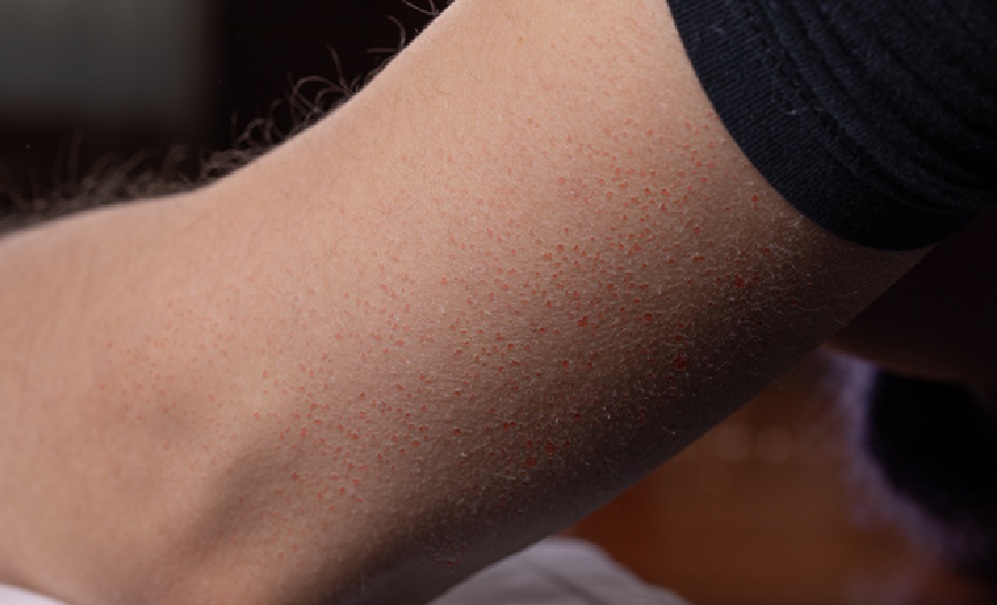
keratosis pilaris treatment in kondapur starts with identifying why your skin feels rough or shows tiny follicular dots. Keratosis pilaris (KP), often called chicken skin, commonly affects the upper arms, thighs and buttocks. It is harmless and not contagious, but its texture and appearance can be frustrating. Gentle skincare and selected treatments may improve it, although maintenance is usually needed. Importantly, not every case of strawberry legs is KP.
What causes keratosis pilaris?
Keratin plugs form around hair follicles
Keratin is a protein that helps protect the skin. In KP, it builds up around hair follicle openings, forming small plugs that create a sandpaper-like texture. Bumps may be skin-coloured, reddish or brown, depending on skin tone and inflammation. Some people also notice dryness or mild itching. KP is not caused by poor hygiene, and trying to scrub the plugs away can worsen irritation.
Dryness and inherited tendencies matter
KP often runs in families and is more common in people with dry skin or atopic eczema. It may begin in childhood and persist into adulthood. Dry weather, long hot showers and harsh cleansers can make the texture more noticeable. Friction, picking and frequent abrasive exfoliation may aggravate affected skin, even though they are not the underlying cause.
Are strawberry legs and chicken skin the same?
Strawberry legs is a descriptive term, not a medical diagnosis. It usually refers to visible dark dots at follicle openings on the legs. KP can contribute, but shaving irritation, ingrown hairs, folliculitis and visible hair follicles can produce a similar appearance. These conditions may need different care.
Uniform rough bumps without pus may suggest KP. Tender spots, pustules, crusting or sudden worsening raise concern for another problem. Dark marks left after irritation can also outlast the bumps themselves. Avoid choosing strong acids or laser treatment based only on a photograph or a social media label.
How a dermatologist plans clinical care
Assessment comes before active ingredients
A dermatologist usually assesses KP through skin examination and a discussion of symptoms, skincare and hair-removal habits. Testing is not routinely necessary, but an unusual presentation may need further evaluation. Mention eczema, allergies, current products and whether you are pregnant, planning pregnancy or breastfeeding before starting treatment.
The aim is to soften plugs, support the skin barrier and reduce irritation—not promise permanently smooth skin. For an overview of dermatological concerns, visit the clinic’s skin care page. Individual treatment recommendations require an in-person evaluation.
Clinical comparison: common treatment approaches
| Approach | Potential role | Important precautions |
|---|---|---|
| Fragrance-free moisturiser | Supports the skin barrier and reduces dryness-related roughness; a foundation for most routines. | Choose a comfortable formulation and stop if it causes persistent irritation. |
| Urea-containing cream | Hydrates skin and, depending on strength, helps soften thickened surface skin. | May sting cracked or inflamed skin; concentration should suit the area and sensitivity. |
| Lactic acid or glycolic acid | Loosens surface cell build-up and may improve texture. | Overuse can cause burning, peeling and pigment changes. Avoid combining several exfoliants. |
| Salicylic acid | May help loosen follicular plugs in selected patients. | Avoid broken skin and extensive application without advice. Discuss use during pregnancy. |
| Prescription topical retinoid | May be considered for persistent plugging when simpler care is insufficient. | Can cause dryness and irritation. Avoid during pregnancy or when planning pregnancy; seek advice when breastfeeding. |
| Selected laser or light procedures | May be considered for persistent redness or an associated hair-related concern after assessment. | Not routine first-line KP care. Burns and pigment changes are possible, particularly with unsuitable settings. |
Start with a simple routine rather than several active ingredients together. A clinician can advise on strength, frequency and review timing. Laser hair reduction may help some hair-related causes of strawberry legs, but it does not treat every cause or guarantee resolution of KP.
Practical care for arms, thighs and legs
- Wash gently: Use lukewarm water, keep showers brief and choose a mild cleanser. Avoid vigorous scrubbing, rough loofahs and picking.
- Moisturise consistently: Apply a fragrance-free cream after bathing while skin is slightly damp, and again when it feels dry.
- Introduce actives cautiously: Try a small area first and follow professional or product instructions. Stop if persistent burning, redness or peeling develops.
- Reduce hair-removal irritation: If shaving, use lubrication and a clean, sharp razor, shave with hair growth and avoid repeated passes. Pause over irritated skin.
- Protect exposed areas: Use broad-spectrum SPF 30 or higher sunscreen and protective clothing. Sun protection helps limit darkening of irritation-related marks.
Local care that fits your routine
For adults in Kondapur, Hafeezpet, Hitec City and Miyapur, consistency matters more than an elaborate product routine. If you are seeking strawberry legs treatment near Hafeezpet or help with rough, bumpy skin around Madhapur, bring your current skincare products or their ingredient lists to your consultation. Explain whether bumps worsen after shaving, waxing or using exfoliating products.
Frequently asked questions
Can keratosis pilaris be cured permanently?
There is no treatment that reliably removes KP permanently. It may become less noticeable with age, and skincare can improve texture, but bumps often return when treatment stops. The American Academy of Dermatology explains its benign nature and management options.
How long does improvement take?
Expect gradual rather than overnight change. Improvement may take several weeks of consistent care, and discolouration can take longer. Results vary with the diagnosis, skin sensitivity and treatment adherence. Arrange a review if symptoms worsen or your agreed plan is not helping.
When should I see a dermatologist for chicken skin?
Seek assessment if the diagnosis is uncertain, home care causes irritation or bumps significantly bother you. Pain, pus, spreading redness or fever need prompt medical attention because they are not typical of uncomplicated KP. Mayo Clinic’s KP overview provides further patient information.
Discuss a personalised treatment plan
To clarify whether your bumps are KP, shaving-related irritation or another condition, request a consultation with Zaha Skin Clinic. An in-person dermatological evaluation helps guide appropriate care; outcomes vary and ongoing maintenance may be needed.